
Vermicompost and the Living Root Zone: How Biological Organic Matter Supports Healthier Soil
Healthy soil is not simply a mixture of minerals, water and air.
It is a living environment where roots, microorganisms and organic matter continuously interact. One of the practical ways growers can support this environment is through the responsible use of biologically processed organic materials such as vermicompost.
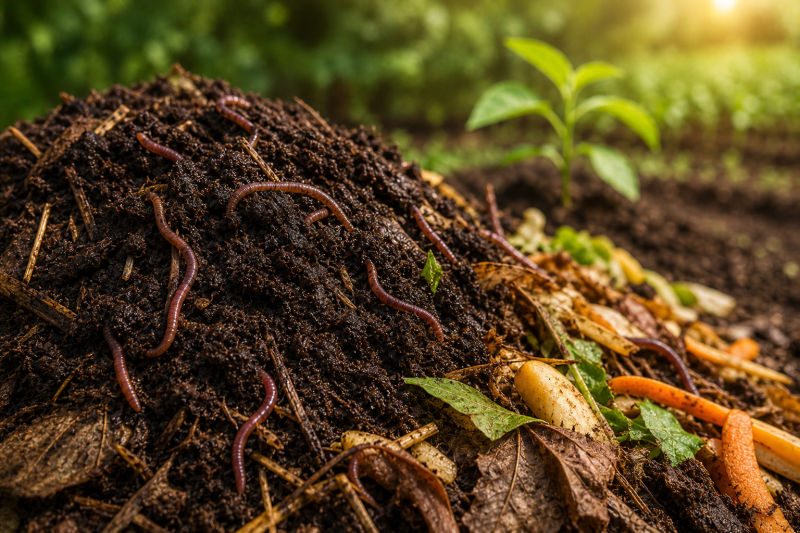
Vermicompost is produced when suitable organic material is broken down through the combined activity of earthworms and microorganisms. The result is a stabilised organic material that can be incorporated into soil, nursery media and other crop-production systems.
Its greatest value is not in treating it as a stand-alone fertiliser, but in understanding how it can contribute to a healthier root-zone ecosystem.
1. What Makes Vermicompost Different?
Organic residues naturally decompose over time, but vermicomposting is a more biologically active process.
Earthworms consume partially decomposed organic material while microorganisms continue breaking down and transforming the material around them.
This process produces a fine, biologically processed material that can contribute organic matter to cultivated soil.
A good vermicompost should be mature, stable and suitable for agricultural use. Product quality can vary depending on the original raw materials and production process, which is why sourcing and quality control are important.
2. Vermicompost Supports Soil Organic Matter
Cultivated soils can gradually lose organic matter through intensive farming, erosion and repeated crop removal.
Adding suitable organic inputs helps return organic material to the soil system.
Vermicompost can form part of this strategy by contributing biologically processed organic matter that supports the long-term physical and biological condition of the soil.
It is especially useful when incorporated as one component of a wider soil-health programme rather than being viewed as an instant solution.
3. Supporting Better Soil Structure
Roots need a soil environment that allows them to move, breathe and access moisture.
Organic matter can support the formation of soil aggregates—small groupings of soil particles that contribute to better soil structure.
Improved aggregation can help support:
- Better soil porosity
- Improved aeration
- More effective water movement
- Greater moisture retention
- Easier root penetration
- Improved overall soil tilth
For heavily cultivated soils, protecting and rebuilding physical structure is an important part of maintaining long-term productivity.
4. A More Active Biological Root Zone
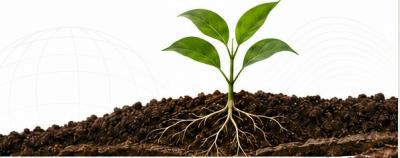
The soil immediately surrounding plant roots is known as the rhizosphere.
This area can contain a diverse population of microorganisms that interact with roots, organic materials and nutrients.
Organic inputs such as vermicompost can provide carbon-rich material that helps support biological processes within this environment.
This does not mean that every microorganism present in vermicompost will perform the same way under every field condition. Soil type, temperature, moisture and crop management all influence biological activity.
However, maintaining organic matter is an important part of creating favourable conditions for a biologically active root zone.
5. Vermicompost and Moisture Management
Soil-water management is increasingly important for productive agriculture.
Organic matter can help influence the way soil stores and moves water.
A soil with better structure and organic-matter content may retain useful moisture around the root zone while maintaining enough pore space for air movement.
This can help create more stable root-zone conditions between irrigation events or periods of rainfall.
Vermicompost should therefore be viewed not simply in terms of nutrient content, but also for the contribution it can make to the physical environment in which roots grow.
6. Supporting Root Development
The quality of the root environment has a direct influence on crop establishment.
Roots require:
- Adequate moisture
- Oxygen
- Suitable soil structure
- Nutrient availability
- A favourable biological environment
By supporting soil organic matter and physical condition, vermicompost can contribute to an environment in which roots can develop more effectively.
This is particularly relevant in nurseries, vegetable production, orchards and other systems where successful establishment is critical.
7. Where Vermicompost Fits Into Crop Nutrition
It is important to distinguish between soil-health support and complete crop nutrition.
Vermicompost may contain plant nutrients, but its nutrient composition can vary substantially depending on feedstock and production conditions.
For this reason, it should not automatically be treated as a replacement for crop-specific nutrient planning.
A more responsible approach is to use vermicompost alongside:
- Soil testing
- Balanced fertilisation
- Organic-matter management
- Biological soil inputs where appropriate
- Proper irrigation
- Good crop-management practices
This integrated approach allows organic materials, nutrients, roots and biological activity to work together.
8. Where Can Vermicompost Be Used?
Depending on product specification and agronomic recommendations, vermicompost can be considered for a wide range of agricultural applications.
These may include:
- Vegetable crops
- Fruit orchards
- Field crops
- Nurseries
- Floriculture
- Protected cultivation
- Plantation crops
- Potting and growing media
- Kitchen gardens
- Landscaping
Its method and rate of use should always reflect crop requirement, soil condition and the quality of the vermicompost itself.
9. Quality Matters
Not all vermicompost is identical.
Growers and buyers should consider factors such as:
- Source of organic material
- Maturity of the finished product
- Moisture condition
- Absence of unsuitable contaminants
- Product consistency
- Storage conditions
- Technical documentation where available
For institutional, commercial or large-scale agricultural use, batch consistency and traceability become especially important.
This is one reason GAONKALA AGRO places emphasis on clear product documentation and responsible handling alongside the product itself.
10. Vermicompost Is Part of a Bigger Soil-Health System
No single input can build healthy soil on its own.
Long-term soil health depends on how multiple factors are managed together:
- Organic matter
- Root development
- Soil biology
- Crop nutrition
- Moisture
- Soil structure
- Crop rotation
- Residue management
Vermicompost can be a useful part of this system because it links organic matter with the biological and physical environment surrounding crop roots.
At GAONKALA AGRO, we see vermicompost not simply as a bag of organic material, but as one component of a broader strategy for building healthier, more biologically active and resilient agricultural soils.
The stronger the soil system becomes, the better foundation it can provide for productive crops season after season.



.png)